

Somalia’s media sector is undergoing a significant transformation as news organizations increasingly adopt digital platforms, social media and emerging technologies to reach wider audiences.
This transition is creating new opportunities for innovation and public engagement, while also exposing the sector to serious professional, financial and technological challenges.
Over the past decade, Somalia has witnessed rapid growth in online news platforms, digital broadcasting and mobile-based communication.
Radio and television stations that once depended mainly on traditional broadcasting are expanding their presence across websites and social media platforms, enabling them to reach⁸ Somali audiences both inside the country and across the diaspora.
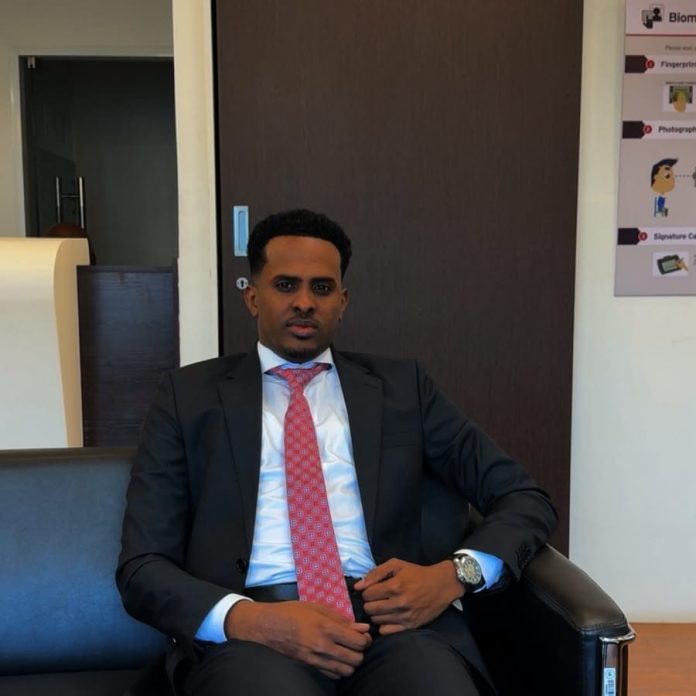
Macruuf Xaaji, Senior Adviser to the Federal Government of Somalia, said digital transformation is reshaping not only how news is produced and distributed, but also how citizens engage with public institutions and national affairs.
“Digital transformation offers Somalia an important opportunity to build a more accessible, responsive and inclusive media sector. It allows information to reach communities faster, strengthens public participation and gives Somali stories the potential to reach international audiences,” said Xaaji.
Despite this progress, the sector continues to face significant obstacles.
These include limited institutional funding, inadequate professional training, weak technological infrastructure and difficulties in developing sustainable business models. Many media outlets rely heavily on advertising and donor-funded projects, making their long-term financial stability uncertain.
The spread of misinformation, disinformation, hate speech and manipulated content has also become a growing concern.
Artificial intelligence has made it easier to create misleading images, videos and audio recordings, increasing the need for stronger verification systems and improved digital literacy among journalists and the public.
“Technology is advancing faster than the systems designed to govern its responsible use. Somali media institutions must invest in fact-checking, ethical journalism, cybersecurity and the professional capacity needed to identify manipulated or deliberately misleading content,” Xaaji added.
Journalists also continue to operate in a challenging environment shaped by security risks, political pressure, limited access to reliable information and insufficient institutional protection.
Strengthening journalists’ safety, improving access to public information and building trust between government institutions and independent media remain essential to the sector’s development.
However, Somalia’s young and digitally active population represents a major opportunity. Growing internet and smartphone use is creating space for digital entrepreneurship, online broadcasting, podcasting, mobile journalism and locally produced multimedia content.
Somali media organizations can also use digital platforms to promote the country’s culture, tourism, economic potential and state-building progress beyond the narrow narratives of conflict that have long dominated international coverage.
“Somalia must become more effective in telling its own story. Digital media gives Somali journalists, institutions and young content creators the tools to present a fuller picture of the country—one that acknowledges existing challenges while also reflecting its resilience, progress and opportunities,” Xaaji stated.
To benefit fully from this transformation, stakeholders must support professional training, modern media infrastructure, sustainable financing, innovation and stronger cooperation among government institutions, private media, universities, technology companies and international partners.
Somalia’s media future will depend not simply on adopting new technology, but on using it responsibly. With the right investment and institutional reforms, digital transformation could help create a more professional, independent and sustainable media sector that supports informed public debate, accountable governance and national development.

