

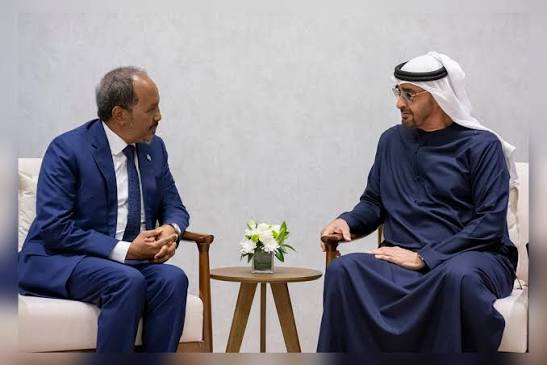
There is growing concern that the United Arab Emirates has utilized media platforms, policy institutes, and influence networks to shape negative narratives about Somalia, particularly among Somali diaspora communities in Western countries such as the United States.
Critics argue that think tanks and strategic communication channels have at times been used to promote analyses portraying Somalia as politically fragile and institutionally weak, narratives they say risk undermining the country’s international standing and confidence in its state-building progress.
These concerns are not limited to Somalia. The UAE’s regional policies have faced similar scrutiny in countries including Sudan, Yemen, and Libya, where its involvement has drawn criticism over allegations of political interference and efforts to shape local power dynamics.
Analysts suggest that the use of media influence and policy networks has become an increasingly significant part of the UAE’s broader regional strategy, with Somalia emerging as one of the most contested arenas in that geopolitical competition.

