Wednesday, April 29, 2026
31.9 C
Mogadishu

Guiding Somalia’s Youth to real opportunities

Share

According to the latest Population Estimation Survey (PES), nearly 75% of the population is made up of youth.

This demographic should be Somalia’s greatest strength and not a missed opportunity. Youth unemployment remains the same about a decade, not only because opportunities are limited, but also because there is a growing disconnect between kind of degrees they earn and what the market needs. I would say most of youth in the country are waiting for opportunities to be handed to them rather than building the skills to earn and create such opportunities themselves.

One of the challenges is the kind of education most youth are getting from universities. Most of Somali youth hold degrees in fields such as Public Administration, Business Administration, International Relations, and Political Science. These are important degrees, no doubt, but when the majority of them focus in the same areas, the labor market becomes tight and the critical sectors that require technical and practical skills are empty. Somalia is estimated to have over 100 universities, most of them operating from six bedroom apartments with limited capacity. Even though, less than ten universities meet reasonable standards, those institutions produce very few graduates with some technical or practical competencies. The question comes to your mind is whether these universities educating for employment or just producing some sort of degrees.

Before 1990, Somalia had a strong foundation in technical education, such as Polytechnic school in Mogadishu, Lugloow technical school in Kismaayo and one in Northern Somalia Bur’o technical school. Those technical schools palyed a positive role in producing skilled technicians. Those were practical, functional, and linked to the needs of the economy. Many of the technicians trained during that time are still relied upon today. Since then, such technical skills has not been rebuilt.

The country is growing, some cities such as the capital city of the country Mogadishu are expanding, and infrastructure is increasing while basic technical services are most of the time unavailable locally. This has caused labor to be brought in from neighboring countries such as Kenya. Very reasonable to have external expertise to install systems such as elevators but unacceptable that we cannot find a Somali technician that can repair an elevator when it breaks down.

Over the past decade, many donor-funded TVET programmes have been implemented in the country. Most of the projects have been implemented and, yet the impact on the labor market remains limited. This signals the importance to regulating and reforming the TVET sector, ensuring that training is aligned with real market demand and properly accredited.


Unlocking Opportunity

Somalia is approaching a new era with ongoing discussions and agreements around oil exploration and drilling. The oil and gas industry is not only about engineers and high-level experts. The type of skills that TVET system can provide are to have a wide range of technical skills such as welders, electricians, pipefitters, heavy machinery operators, safety technicians, mechanics, and logistics personnel.

I am sure that the country has not invested in TVET programmes linked to the oil and gas sector. As a result, our youth are not prepared to participate in this emerging industry. If this continues, companies will most likely import skilled labour, and Somalia will once again miss a major opportunity. It is important that these companies invest in building local capacity by supporting relevant training programmes and ensuring that Somali youth gain strong technical skills to benefit from this sector.

Many young people are in politics not as informed contributors, but as passive followers. Too much time is spent discussing “who said what,” engaging in political debates in hotels, and aligning with individuals rather than ideas. Some of the youth, politics has become a shortcut, they would take it as a stepping stone to visibility, influence, or opportunity. When thier energy is taken by unproductive political engagement, it is diverted away from studying, building their capacities and creating businesses.


Building from Nothing

In Labadhagax, I met a young man who represents what is possible when mindset shifts from waiting to doing. He operates a growing beverage shop which is known as Isbaramuuto House, now managing around 17 kiosks throughout the city and other places in the country. Coming from a poor family, he struggled through university while supporting a household of 11 orphans. His journey began by bringing fruits from Afgoye and selling them in Jaayga, an area where many government officials reside. I liked when he said to me “I didn’t wait for a job instead I created one for myself”. Today, he is creating value, income, and opportunity not only for himself but for others.

Young people must begin to think differently about work and opportunity. Not all success comes from office jobs with wearing a tie or formal titles. In many developed countries and even some third world countries plumbers, electricians, mechanics make good incomes and live stable lives.

It is common today to see young men and women wanting to own expensive phones, accessories, and lifestyles they cannot afford while they are unemployed or struggling to secure even two meals a day. This mindset creates pressure, distraction, and often leads to poor financial decisions. It is very important to have the discipline of living within your means. Real progress starts with discipline. A strong future is not built on appearances rather smart choices. Youth must not shy away from any honest work. No job is too small. Money is money as long as it is earned in a Halal and dignified way.

In conclusion, the government must regulate and standardize universities in order to have quality education. Very importantly, the government must modernize TVET systems so that young people gain practical skills that match the needs of the market. These efforts must be guided by national priorities such as the National Transformation Plan (NTP) and aligned with State Development and Transformation Plans. If Somalia is to move forward, its youth must move from being consumers of politics to producers of value.

Education must lead to employment and skills must lead to real opportunity.

About the Author

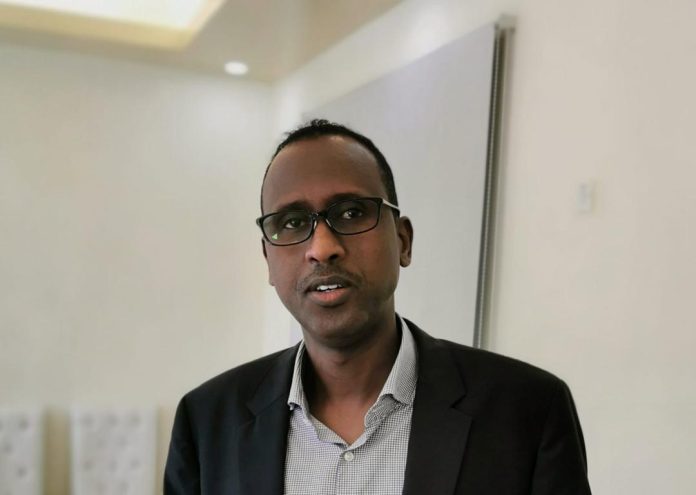
Mohamed Dahir Farah is a Partnership Advisor with the EU–TAPF, working closely with government institutions on national and state development planning in Somalia.

Mdfarah90@gmail.com

http://According to the latest Population Estimation Survey (PES), nearly 75% of the population is made up of youth. This demographic should be Somalia’s greatest strength and not a missed opportunity. Youth unemployment remains the same about a decade, not only because opportunities are limited, but also because there is a growing disconnect between kind of degrees they earn and what the market needs. I would say most of youth in the country are waiting for opportunities to be handed to them rather than building the skills to earn and create such opportunities themselves. One of the challenges is the kind of education most youth are getting from universities. Most of Somali youth hold degrees in fields such as Public Administration, Business Administration, International Relations, and Political Science. These are important degrees, no doubt, but when the majority of them focus in the same areas, the labor market becomes tight and the critical sectors that require technical and practical skills are empty. Somalia is estimated to have over 100 universities, most of them operating from six bedroom apartments with limited capacity. Even though, less than ten universities meet reasonable standards, those institutions produce very few graduates with some technical or practical competencies. The question comes to your mind is whether these universities educating for employment or just producing some sort of degrees. Before 1990, Somalia had a strong foundation in technical education, such as Polytechnic school in Mogadishu, Lugloow technical school in Kismaayo and one in Northern Somalia Bur’o technical school. Those technical schools palyed a positive role in producing skilled technicians. Those were practical, functional, and linked to the needs of the economy. Many of the technicians trained during that time are still relied upon today. Since then, such technical skills has not been rebuilt. The country is growing, some cities such as the capital city of the country Mogadishu are expanding, and infrastructure is increasing while basic technical services are most of the time unavailable locally. This has caused labor to be brought in from neighboring countries such as Kenya. Very reasonable to have external expertise to install systems such as elevators but unacceptable that we cannot find a Somali technician that can repair an elevator when it breaks down. Over the past decade, many donor-funded TVET programmes have been implemented in the country. Most of the projects have been implemented and, yet the impact on the labor market remains limited. This signals the importance to regulating and reforming the TVET sector, ensuring that training is aligned with real market demand and properly accredited. Unlocking Opportunity Somalia is approaching a new era with ongoing discussions and agreements around oil exploration and drilling. The oil and gas industry is not only about engineers and high-level experts. The type of skills that TVET system can provide are to have a wide range of technical skills such as welders, electricians, pipefitters, heavy machinery operators, safety technicians, mechanics, and logistics personnel. I am sure that the country has not invested in TVET programmes linked to the oil and gas sector. As a result, our youth are not prepared to participate in this emerging industry. If this continues, companies will most likely import skilled labour, and Somalia will once again miss a major opportunity. It is important that these companies invest in building local capacity by supporting relevant training programmes and ensuring that Somali youth gain strong technical skills to benefit from this sector. Many young people are in politics not as informed contributors, but as passive followers. Too much time is spent discussing “who said what,” engaging in political debates in hotels, and aligning with individuals rather than ideas. Some of the youth, politics has become a shortcut, they would take it as a stepping stone to visibility, influence, or opportunity. When thier energy is taken by unproductive political engagement, it is diverted away from studying, building their capacities and creating businesses. Building from Nothing In Labadhagax, I met a young man who represents what is possible when mindset shifts from waiting to doing. He operates a growing beverage shop which is known as Isbaramuuto House, now managing around 17 kiosks throughout the city and other places in the country. Coming from a poor family, he struggled through university while supporting a household of 11 orphans. His journey began by bringing fruits from Afgoye and selling them in Jaayga, an area where many government officials reside. I liked when he said to me “I didn’t wait for a job instead I created one for myself”. Today, he is creating value, income, and opportunity not only for himself but for others. Young people must begin to think differently about work and opportunity. Not all success comes from office jobs with wearing a tie or formal titles. In many developed countries and even some third world countries plumbers, electricians, mechanics make good incomes and live stable lives. It is common today to see young men and women wanting to own expensive phones, accessories, and lifestyles they cannot afford while they are unemployed or struggling to secure even two meals a day. This mindset creates pressure, distraction, and often leads to poor financial decisions. It is very important to have the discipline of living within your means. Real progress starts with discipline. A strong future is not built on appearances rather smart choices. Youth must not shy away from any honest work. No job is too small. Money is money as long as it is earned in a Halal and dignified way. In conclusion, the government must regulate and standardize universities in order to have quality education. Very importantly, the government must modernize TVET systems so that young people gain practical skills that match the needs of the market. These efforts must be guided by national priorities such as the National Transformation Plan (NTP) and aligned with State Development and Transformation Plans. If Somalia is to move forward, its youth must move from being consumers of politics to producers of value. Education must lead to employment and skills must lead to real opportunity. About the Author Mohamed Dahir Farah is a Partnership Advisor with the EU–TAPF, working closely with government institutions on national and state development planning in Somalia. Mdfarah90@gmail.com

insidesomalia.net

Read More

Smiliar to