

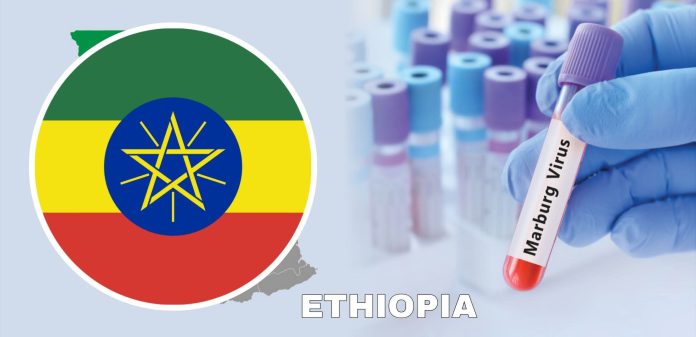
Ethiopia’s Ministry of Health has confirmed a new Marburg virus infection in Hawassa City Sidama Reigion, as the country’s death toll from the outbreak rises to seven.
In a briefing on the current status of the outbreak, Health Minister Dr. Mekdes Daba said an individual who had returned from Jinka City was confirmed to be infected with Marburg in Hawassa.
She said contact tracing and medical care for the patient and their contacts are ongoing, alongside intensive preparatory work to ensure treatment can be provided in parts of the country where the virus has not yet been detected.
According to the Ministry’s latest Marburg Virus Disease Situational Report, issued on 26 November 2025, a total of 78 laboratory investigations have been carried out since the outbreak was first confirmed on 14 November. Of these, 12 Marburg virus infections have been laboratory-confirmed, including the seven deaths, while three patients are currently receiving treatment.
On 26 November alone, seven samples were tested, with two confirmed positive, the Ministry said.
According to local media the report also indicates that 349 people identified as contacts of confirmed cases have been placed under follow-up, while 119 have completed the monitoring period and been released.
The Ministry of Health said contact tracing and monitoring efforts are continuing with support from international partners, including the US. Centers for Disease Control and Prevention (CDC), as authorities work to contain the outbreak.
The Ministry has also engaged religious leaders in efforts to curb the spread of the virus. In a meeting with the Patrons and Management Board of the Inter-Religious Council of Ethiopia, officials briefed participants on the nature of Marburg virus disease and urged religious leaders, teachers and ministers to educate their congregations on prevention.
State Minister of Health Frehiwot Abebe said the Ministry has built capacity to detect, prevent and treat Marburg and is focusing on community awareness and precautionary measures.
The Council’s leaders pledged to implement preventive steps within their institutions and to work in coordination with the Ministry of Health and other stakeholders to help protect public health.
Source:AS

