

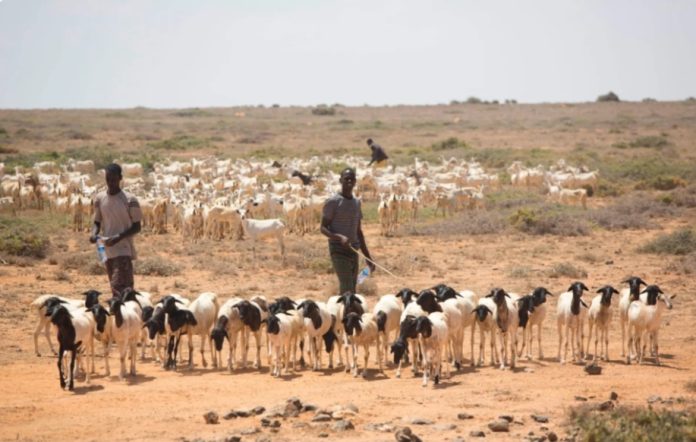
Somalia is seeking to open a new market for its livestock in Libya, as Mogadishu moves to expand economic and trade cooperation with the North African country and make greater use of one of its most important productive sectors.
The initiative was discussed during a meeting between Somalia’s ambassador to Libya and officials of the General Union of Libyan Chambers of Commerce. The Somali envoy presented his country’s economic potential and expressed interest in creating new opportunities for bilateral trade, particularly livestock exports to Libya.
The proposed trade link could give Somali livestock producers and exporters access to a new North African market, while helping Libya diversify its sources of livestock supplies. Both sides highlighted the importance of strengthening direct communication between their chambers of commerce to facilitate business partnerships and investment.
Livestock is a cornerstone of Somalia’s economy and a major source of exports and rural livelihoods. Somalia exported more than 20 million sheep and goats between 2018 and 2024, while livestock accounts for a substantial share of the country’s total exports.
The push for new markets comes as Somalia seeks to make its livestock industry more resilient and commercially competitive. In August, the country launched a three-year initiative aimed at strengthening climate resilience across its livestock, land and insurance systems, highlighting the importance of protecting the sector from recurring drought and other climate shocks.
For Libya, closer livestock trade with Somalia could strengthen commercial links with the Horn of Africa while providing another potential source of animals for the domestic market. The initiative could also create opportunities for businesses involved in transportation, animal health, quarantine, feed, meat processing and related services.
The two sides also agreed on the importance of exchanging economic delegations, businesspeople and official visits. Such direct engagement is expected to help identify practical trade opportunities and establish stronger links between Somali and Libyan private-sector communities.
The proposed livestock trade therefore represents an opportunity to deepen Somalia-Libya economic relations while connecting two African markets across the continent. If the initiative develops into regular commercial shipments, it could support Somalia’s export diversification, strengthen livestock-based livelihoods and contribute to broader intra-African trade.
Source: POA

