

After listening to William Ruto speak on France 24 about sovereignty, dignity, and the dangers of dependency, I found myself reflecting deeply on the situation of Somalis today. This article is not about attacking another country, but about honestly evaluating the collective behavior of Somalis and our growing dependence on others. I will not also go into some of the points he raised, as those are matters we expect the Somali government to address.
Somalis, must seriously reflect on the direction of our society. It is very obvious that Somalis invest heavily outside the country, especially in Kenya and buy properties, open businesses, spend holidays there and even make it a second home for their families. The level of travel between Somalia and Kenya has also become abnormal. Every day, hundreds of Somalis travel for holidays, shopping, medical care, education, business, and family visits.
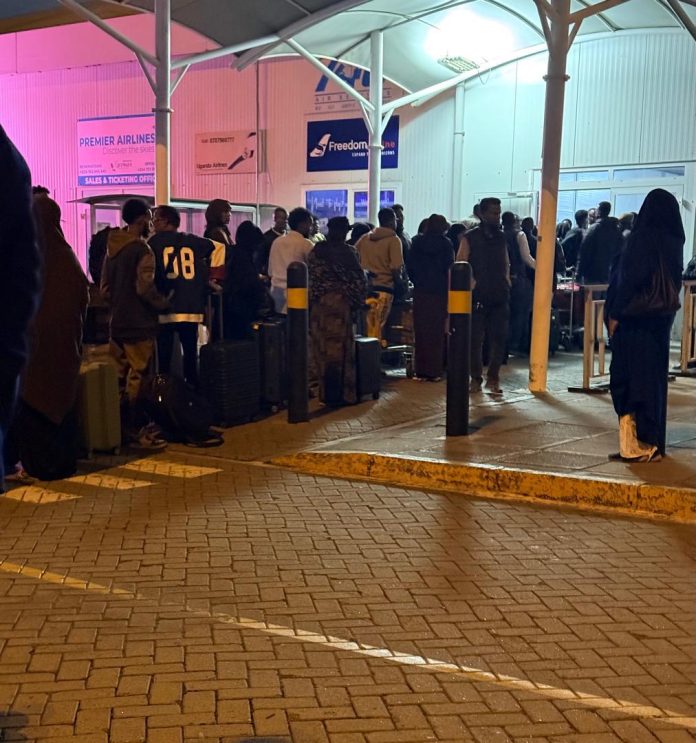
It is difficult to understand how dependency on another country has become so normalized. Part of this dependency is reflected in the way Somalis travel and the systems they are forced to navigate. Kenyan ETA process for Somali ordinary passport holders, the official fee is around 32.50 USD, many Somalis end up paying nearly 210 USD through middlemen and unofficial arrangements that have become part of the system. Despite paying such high amounts, Somali travelers still face long and exhausting procedures upon arrival. At Nairobi airport, Somali travelers often spend an hour or more going through additional vetting and questioning before being allowed entry. For travelers arriving from what the Kenyan government considers a fragile state, there should at least be a more organized and humane process. Instead, many experience unnecessary delays and confusion after already paying such high amounts of money. The frustration continues during departure flights to Somalia. Long lines outside in cold weather have become common. Many Somalis seem to have become so used to this treatment that they no longer question it.
When comparing travel experiences between Somalia and other East African countries, the difference becomes very clear. Travelers arriving from many East African countries often go through smoother and less stressful procedures. Visa lines move faster, entry processes are simpler, baggage collection is more organized and passengers usually leave the airport without repeated checks. When flights arrive from Somalia, however, the experience is often completely different. Somali travelers face additional screening, long waiting times, repeated document checks and stricter treatment. Even after baggage collection, there are often extra inspections and delays before exiting the airport.
During Eid holidays, many Somalis travel to Nairobi and spend time in places such as Westgate, Kilimani and other popular areas. There is nothing wrong with people seeking enjoyment, relaxation or family time. Everyone deserves comfort, but Somalis should also reflect on where they truly feel welcomed and respected. There is a difference between comfort and hostility and between dignity and humiliation.
Another painful reality involves some Somalis who obtained Kenyan passports hoping for dignity, easier movement or better opportunities. Many still experience humiliation and treatment that makes them feel unwanted or unaccepted. In some cases, the passport becomes less about national belonging and more about obtaining a document that allows easier global movement. Somalis must be honest with themselves about some of the reasons behind this reality. One of the biggest problems is the normalization of corruption and bypassing systems. Most of the time, people prefer paying bribes instead of following proper rules and procedures.
Part of the blame also goes to our intellectuals and influential voices who have not spent enough time shaping a mindset of self-reliance, dignity and nation-building. Many educated people speak about politics every day, but very few seriously push society toward building strong institutions, quality education, productive industries or long-term national confidence. Another responsibility lies with wealthy Somalis who continue investing heavily outside the country while doing too little at home. Instead of helping establish modern schools, reliable healthcare systems, strong businesses and quality services inside Somalia, much of the wealth leaves the country. As a result, ordinary citizens continue traveling outside of the country searching for services that should exist at home. The education sector also deserves honest reflection. Somalia today has many schools and universities, but too many fail to provide quality education that prepares young people competitively for the modern world. This pushes families to seek better education opportunities abroad for their children. The healthcare sector is another painful example. Somalia has many hospitals and medical centers, yet many citizens still travel abroad for treatment because they lack confidence in local healthcare services. I would say some facilities appear more focused on money than on curing patients and providing quality healthcare. Families sometimes spend huge amounts of money without receiving proper treatment, forcing them to seek healthcare outside the country.
This does not mean Somalis should isolate themselves from the region or stop doing business In Kenya or elsewhere. Regional trade, investment, and movement are important, especially because population size and market opportunities matter in business and economic growth. Somalis should continue engaging with neighboring countries and building regional connections. However, while doing so, we must not lose focus on rebuilding own country, strengthening institutions, and creating opportunities at home so that the country also becomes a place where others come to invest and do business.
Countries respect nations that respect themselves first.
About the Author
Mohamed Dahir Farah
Activist and Development Professional
Mdfarah90@gmail.com

